RFID Locks: An Introduction to Modern Smart Door Lock Systems
Security and convenience are essential in modern buildings, especially in hotels, offices, apartments, and commercial properties. Traditional locks and keys have served these environments for many years, but advances in access control technology have introduced more convenient alternatives.
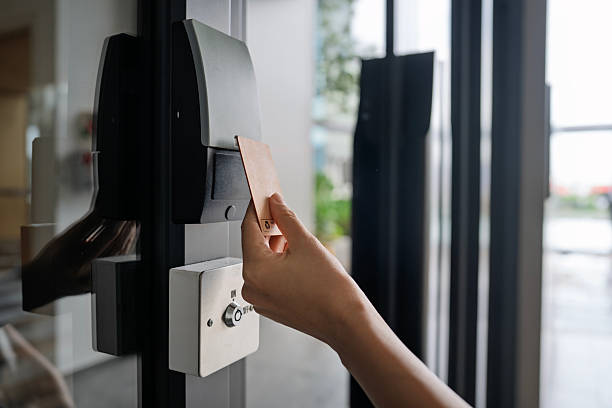
RFID locks are electronic locking systems that use Radio Frequency Identification (RFID) technology to control access to rooms, buildings, and restricted areas. Instead of relying exclusively on traditional metal keys, users can unlock compatible doors with RFID key cards, key fobs, wristbands, or other supported credentials.
Today, RFID door locks are used in hotels, resorts, offices, residential buildings, and other facilities that require convenient and controlled access. When combined with appropriate access management software, these systems can help businesses manage entry permissions, improve daily operations, and provide a better user experience.
For hotels and hospitality businesses, RFID locks can also form part of a wider smart hotel solution that connects door access with hotel management processes.
What Are RFID Locks?
RFID locks are electronic door locking systems that use Radio Frequency Identification technology to identify authorised users and grant access.
An RFID locking system typically consists of an electronic lock, an RFID reader, compatible access cards or key fobs, and software or programming equipment used to manage access permissions.
When a user presents an authorised RFID card near the lock's reader, the system reads the card's credential and checks whether it has permission to unlock the door. If the credential is accepted, the lock releases the locking mechanism and allows entry.
Unlike traditional mechanical keys, RFID credentials can be managed electronically. Depending on the lock's design, administrators can issue new credentials, assign different access permissions, and configure when certain cards are valid.
This makes RFID locks a practical option for hotels, offices, apartments, and commercial properties that need an organised approach to access control.
How Do RFID Door Locks Work?
Understanding how RFID door locks work helps property owners determine whether the technology is suitable for their security and operational needs.
Although the exact process varies by manufacturer and system design, the basic operation involves the following steps.
1. An RFID Card or Credential Is Issued
An authorised administrator prepares an RFID key card, key fob, or another supported credential. In a hotel, this usually happens during guest check-in.
The credential is configured according to the access permissions supported by the locking system. For example, a hotel guest may receive a card that allows access to their assigned room for the duration of their stay.
2. The User Presents the Card to the Reader
When the user arrives at the door, they hold the RFID card close to the lock's reader.
The reader communicates wirelessly with the RFID credential. Unlike a traditional key, the card does not need to be inserted into the lock or physically turned.
3. The System Verifies Access
The lock's electronics check the presented credential against the access rules or authorised information available to the system.
The method of verification depends on the lock's architecture. Some systems verify credentials locally, while network-connected solutions may support additional communication with access management software.
If the credential is valid and the access conditions are satisfied, the system authorises entry.
4. The Door Unlocks
Once access is approved, the electronic locking mechanism releases the latch or bolt, allowing the user to open the door.
The system then returns to its secure state according to the lock's configuration.
Some advanced systems also support access records, staff permissions, and integration with other building management technologies.
Key Benefits of RFID Lock Systems
RFID lock systems offer several advantages for businesses and property owners. The benefits available depend on the selected hardware, software, and installation.
1. Convenient Keyless Access
One of the main advantages of RFID door locks is convenience. Users can unlock compatible doors by presenting a card or fob rather than inserting and turning a conventional key.
For hotels, this can simplify room access for guests and reduce the inconvenience associated with managing traditional keys.
2. Improved Access Management
RFID systems allow authorised administrators to manage access credentials electronically.
Depending on the system, administrators can issue credentials to guests, employees, tenants, and other authorised users. They can also configure different permissions for different doors and users.
This is particularly useful for hotels and businesses where many people require access to different areas of a property.
3. Easier Management of Lost Cards
Losing a traditional key may require the property owner to replace the key or change the lock, depending on the circumstances.
With an RFID system, a lost card can often be deactivated and replaced without changing the entire lock. However, the ability to invalidate a credential immediately depends on the system's configuration and whether the lock supports the required updates.
This can make access management more efficient for properties that regularly issue credentials to guests or employees.
4. Better Support for Hotel Operations
Hotels need an efficient way to manage room access during check-in, checkout, room changes, and staff operations.
RFID hotel locks can simplify these processes by allowing authorised staff to issue and manage guest access cards. When the locking system supports integration with a compatible Hotel Property Management System (PMS), access management may also become more closely connected to reservations and front-desk operations.
This can help reduce repetitive manual tasks and support a more organised guest experience.
5. Reduced Dependence on Physical Keys
Managing large numbers of traditional keys can become complicated, particularly in hotels, resorts, apartment complexes, and office buildings.
RFID door locks provide an alternative by using electronic credentials. Businesses can organise access cards by room, employee, department, or user category, depending on the system's capabilities.
6. Flexible Access Control
Different properties have different security requirements. A hotel may need separate permissions for guests, housekeeping staff, maintenance teams, and management.
An RFID access control system can support these different requirements when the appropriate features are available.
For example, staff credentials may be configured to access designated areas, while guest cards are restricted to assigned rooms. More advanced systems may also support time-based permissions and access event records.
Important: RFID technology does not automatically guarantee complete security. Property owners should select systems with appropriate credential protection, reliable hardware, secure administration, and suitable access policies.
Where Are RFID Locks Commonly Used?
RFID locks are suitable for various environments where controlled access and convenience are important.
Hotels and Resorts
Hotels use RFID hotel door locks to provide guests with convenient room access. Staff can issue compatible key cards during check-in and manage credentials according to the property's procedures.
Depending on the system, RFID locks can also support staff access management and integration with hotel management software.
Offices and Commercial Buildings
Businesses can use RFID locks to control access to offices, meeting rooms, storage areas, and restricted sections of their premises.
Electronic credentials can help administrators organise permissions for employees, contractors, and visitors.
Apartments and Residential Properties
Apartment buildings and managed residential properties can use RFID door locks to simplify access for residents and authorised visitors.
The suitability of a particular lock depends on the door type, installation requirements, access arrangements, and the security features required.
Schools and Institutions
Schools, training centres, and other institutions may use RFID access control systems to manage entry to selected buildings or restricted areas.
The system can help administrators assign permissions according to staff roles and other operational requirements.
Gyms and Recreational Facilities
Gyms, clubs, and recreational facilities can use RFID cards or wristbands to provide access to authorised members.
When integrated with compatible membership software, these systems may help coordinate entry permissions with membership status.
RFID Hotel Locks and Property Management Systems (PMS)
For hospitality businesses, the value of RFID locks can extend beyond opening and closing doors.
A Hotel Property Management System (PMS) helps manage important hotel operations, such as reservations, guest check-in, room assignments, and checkout. When compatible RFID lock management software integrates with a hotel's PMS, certain access-related tasks can be connected to these workflows.
For example, a supported integration may allow staff to prepare room credentials as part of the check-in process and manage access when a guest's stay changes.
Depending on the products involved, the wider system may also help hotels coordinate front-desk activities, room information, and access management.
However, not every RFID lock supports PMS integration. Before purchasing a system, hotel owners should confirm compatibility between the locks, card encoder, lock management software, and existing hotel software.
For properties seeking to modernise their operations, combining suitable RFID locks with compatible PMS technology can be an important step towards a more connected hotel environment.
What Should You Consider Before Choosing an RFID Door Lock?
Choosing the right RFID lock involves more than comparing the appearance or price of different products.
Property owners should consider the following factors before making a decision.
Security features: Check the credential technology, authentication method, available encryption, and manufacturer security guidance. Avoid assuming that all RFID cards and locks provide the same level of protection.
Door compatibility: Confirm that the lock is suitable for the door's material, thickness, dimensions, and intended use.
Power requirements: Many electronic locks use batteries. Check the expected battery life, low-battery warnings, replacement procedures, and emergency access arrangements.
Access management: Determine whether the system supports the number of users, rooms, doors, and permission levels required by the property.
Software compatibility: Hotels should verify whether the lock management platform works with their existing PMS or other required systems.
Offline and online operation: Some locks validate credentials locally, while others offer network connectivity and additional remote management features. Choose according to the property's operational needs.
Installation and maintenance: Consider professional installation, ongoing support, replacement parts, software updates, and maintenance requirements.
Emergency access: Confirm how the lock behaves during battery failure, system faults, or power interruptions, and ensure that appropriate emergency procedures are in place.
Evaluating these factors can help businesses choose an RFID locking system that meets their security, operational, and budget requirements.
The Future of RFID Locks and Smart Access Control
Access control technology continues to develop as property owners look for more convenient ways to manage entry and improve operational efficiency.
Modern electronic locking solutions may combine RFID cards with other access methods, including mobile credentials, depending on the hardware and software selected.
In hospitality, there is also growing interest in connecting door access with hotel management systems and other smart building technologies. These integrations can help businesses coordinate access permissions with their wider operational processes.
Although RFID locks are not suitable for every situation, they offer a flexible approach to electronic access management for hotels, offices, apartments, and commercial facilities.
The most suitable solution depends on the property's requirements, the quality of the selected products, and how well the system is installed, configured, and maintained.
Conclusion: Are RFID Locks Worth Considering?
RFID locks provide a modern alternative to traditional mechanical keys by allowing authorised users to access doors through compatible electronic credentials.
Their key advantages include convenient entry, electronic credential management, flexible access permissions, and potential integration with hotel management software.
For hotels, resorts, offices, and residential properties, RFID door locks can support more organised access control when the right system is selected and properly implemented.
For hospitality businesses in particular, combining compatible RFID hotel locks with suitable Property Management System (PMS) software can help connect room access with everyday hotel operations.
At Sanfiley.com, businesses can explore smart lock and hotel PMS solutions designed to support modern hospitality operations. Choosing the right combination of access control hardware and management software is an important step towards improving convenience, security management, and operational efficiency.
Looking for smart lock and hotel PMS solutions for your property? Visit Sanfiley.com to explore solutions for modern hotel management and access control.
Frequently Asked Questions About RFID Locks
1. What does RFID mean in door locks?
RFID stands for Radio Frequency Identification. In door locks, it refers to technology that enables a reader to communicate wirelessly with an authorised credential, such as a key card or fob, to control access.
2. How do RFID door locks work?
An RFID door lock reads a compatible card or credential presented near its reader. The system checks whether the credential is authorised and, if the access conditions are satisfied, releases the locking mechanism.
3. Are RFID locks secure?
RFID locks can provide effective access control when they use appropriate security features and are installed and managed correctly. Security varies between products, so buyers should evaluate credential protection, authentication, access permissions, and the manufacturer's security recommendations.
4. Can RFID locks be used in hotels?
Yes. RFID locks are widely used in hospitality environments to provide guests with key-card access to their rooms. Suitable systems can also support staff access management and, where compatible, integration with hotel PMS software.
5. What happens if an RFID hotel key card is lost?
A replacement card can usually be issued. Depending on the system, the lost credential can also be deactivated. The exact process and how quickly the old card becomes invalid depend on the lock's configuration and access management capabilities.
6. Can RFID locks work with hotel PMS software?
Yes, some RFID lock systems can integrate with compatible Property Management Systems. This can help connect room access management with processes such as guest check-in and checkout. Compatibility should always be confirmed before purchasing.
7. Do RFID door locks require electricity?
Most electronic RFID door locks require power, commonly from batteries in the lock itself. Some systems use different power arrangements. Buyers should check battery requirements, low-power warnings, and emergency access options before installation.
8. Are RFID locks better than traditional locks?
RFID locks offer advantages in electronic access management and convenience, especially in properties with many users. Traditional locks may be simpler or more appropriate for some applications. The best option depends on the property's security requirements, budget, and operational needs.